
Dental implant surgery is a big step, so it makes sense to wonder how long recovery will take. You may be planning work, meals, exercise, errands, and the rest of normal life around the appointment. And, of course, you want to know when your mouth will stop feeling sore and start feeling more like yours again.
For many patients, the first few days after dental implant surgery are the most noticeable. Swelling, tenderness, mild bleeding, and some jaw soreness can happen early on. However, many people return to desk work or lighter daily activities within a few days, depending on the type of procedure and how they feel. Full healing in the bone takes longer, often several months, because the implant needs time to bond with the jawbone.
At Queensboro Plaza Dental Care, Dr. Michael Nguyen, Dr. Daniel Barayev, and the team can explain what your recovery may look like based on your treatment plan. A single implant often has a different timeline than multiple implants, bone grafting, or a more involved procedure. Still, knowing the usual stages can make the whole process feel less mysterious.
What Happens Right After Dental Implant Surgery
Right after dental implant surgery, your mouth needs time to settle down. The numbness from local anesthesia may last for a few hours, so eating and drinking should be done carefully until feeling returns. Otherwise, it is easy to bite your cheek, lip, or tongue without realizing it.
Some bleeding or pink saliva can happen during the first day. Usually, this slows down with gentle pressure and rest. However, you should follow the instructions your dentist gives you because every surgery is a little different. If bleeding seems heavy or does not slow down, it is better to call the office instead of guessing.
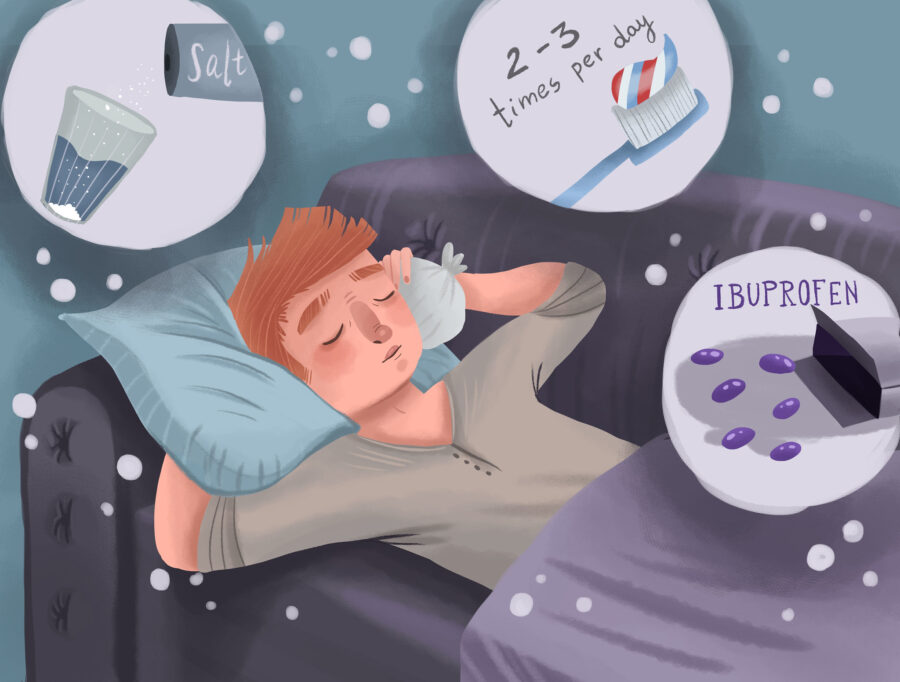
Swelling may begin during the first day and can increase over the next couple of days. This is part of the body’s normal response to surgery. Ice packs may be recommended early on, often in short intervals, to help manage swelling and comfort.
Pain is usually most noticeable in the first few days. For many patients, soreness can be managed with prescribed or recommended medication. However, if pain suddenly gets worse after it was improving, or if it feels sharp, throbbing, or unusual, that should be checked.
The First Day of Dental Implant Recovery
The first day is mostly about rest, gentle care, and not doing too much. Your body has work to do, and your mouth will appreciate a calmer schedule. If possible, keep your head elevated, avoid heavy activity, and stick with soft foods that do not require much chewing.
You will likely be told not to rinse hard, spit forcefully, or drink through a straw right away. Those actions can disturb the surgical site. Instead, sip water gently and follow the post-op instructions from your dental team.
Food should be simple during the first day. Yogurt, applesauce, smoothies without a straw, mashed potatoes, scrambled eggs, and cooled soup may be easier to manage. However, avoid hot foods and drinks at first because they can irritate the area or increase bleeding.
Also, leave the surgical site alone. It may be tempting to check it with your tongue, but that usually does not help. In fact, touching the area too much can irritate the tissue and make it harder for the early healing process to get started.
The First Few Days After Surgery
The first two to three days are often when swelling and soreness are most noticeable. Your jaw may feel stiff, and chewing may feel awkward. That does not mean anything is wrong. It usually means your mouth is responding to the procedure and beginning to heal.
During this time, soft foods are still helpful. Choose meals that are easy to chew and not likely to break into sharp pieces. Oatmeal, soft pasta, eggs, mashed vegetables, yogurt, and blended soups can work well. But if something pulls, scrapes, or makes the area ache, save it for later.
It is also important to keep your mouth clean, but gently. Your dentist may recommend careful brushing away from the surgical area and gentle rinsing after the first day. If you were given a special mouth rinse, use it exactly as directed.
You may feel better quickly, but try not to let that trick you into doing too much too soon. Heavy lifting, intense workouts, and bending over repeatedly can increase throbbing or bleeding. So, ease back into activity instead of jumping straight into your usual routine.
When Swelling and Soreness Usually Improve
Swelling often peaks around the second or third day, then gradually starts to go down. Soreness usually follows a similar pattern. By the end of the first week, many patients feel much more comfortable, especially if the surgery was straightforward.
However, recovery does not look exactly the same for everyone. Some people have very mild discomfort, while others feel sore for several days. The number of implants, the location of the implant, your overall health, and whether bone grafting was done can all affect how you feel.
Bruising may also appear in some cases. It can show up on the gums, cheek, jaw, or even lower on the face. Although bruising can look a little dramatic, it often fades on its own over several days.
If swelling keeps getting worse after the third or fourth day, or if pain increases instead of easing, call your dental office. A quick check can help rule out infection, irritation, or another issue that needs attention.
How Long Does the Gum Tissue Take to Heal?
The gum tissue often begins healing within the first week. Stitches, if used, may dissolve on their own or may need to be removed at a follow-up visit. Your dentist will let you know what to expect based on the type of sutures used.
After a week or two, the gum tissue may look and feel much better. However, that does not mean the implant is fully healed underneath. The surface can calm down before the bone has finished its part of the job.
This is where patients sometimes get confused. You may feel fine, eat more comfortably, and notice little to no soreness. But the implant still needs time to integrate with the jawbone before it can support a final crown in many cases.
So, while gum healing may happen fairly quickly, the deeper healing takes more time. That slower process is normal and is one of the reasons implant treatment is done in stages.
Why Bone Healing Takes Longer
Dental implants rely on a process called osseointegration. That means the implant and jawbone gradually bond together. This is what helps create the strong foundation needed for the future implant crown, bridge, or denture.
Bone does not heal overnight. In many cases, osseointegration takes several months. Your dentist may monitor the implant during this time to make sure healing is on track before moving to the next step.
The waiting period can feel a little strange because you may not feel much happening. There may be no pain, no obvious change, and no daily reminder that bone healing is still underway. However, under the gums, the implant is becoming more stable as the bone heals around it.
Because of that, it is important not to rush the process. Placing too much force on an implant too soon can affect healing. Dr. Nguyen or Dr. Barayev can tell you when the implant is ready for the next stage based on your specific case.
When Can You Go Back to Work?
Many patients can return to desk work or light daily tasks within a day or two after dental implant surgery. However, that depends on how involved the procedure was and how you respond afterward. If you had one implant placed without bone grafting, your recovery may be easier than someone who had multiple implants or additional procedures.
If your job involves heavy lifting, physical labor, or a lot of movement, you may need more time before going back. Activity can increase blood flow to the area, which may lead to more throbbing, swelling, or bleeding during early healing.
Pain medication can also affect your schedule. If you are taking medication that makes you sleepy or less alert, do not drive, work with equipment, or return to tasks that require full focus until it is safe.
Before surgery, it helps to ask your dentist what kind of downtime is realistic for your treatment. That way, you can plan work and responsibilities with fewer surprises.
When Can You Exercise Again?
Exercise usually needs a short pause after dental implant surgery. Light walking may be fine fairly soon, but intense workouts, heavy lifting, running, hot yoga, and strenuous activity are often avoided for the first few days.
The reason is simple: increased blood pressure and movement can make the surgical area throb or bleed. Even if you feel pretty good, your mouth may not be ready for a hard workout yet. That early confidence can backfire a bit.
When you restart exercise, begin gently. If you notice throbbing, bleeding, swelling, or increased soreness, stop and give it more time. Your body is not being dramatic; it is just asking for a slower pace.
If your procedure included bone grafting, sinus lift work, or multiple implants, your dentist may recommend a longer break from strenuous activity. Follow those instructions closely because they are based on the type of healing your mouth needs.
What Can Affect Recovery Time After Dental Implant Surgery?
Recovery time after dental implant surgery can vary for several reasons. A single implant placed in healthy bone may heal more smoothly than a case that involves bone grafting, extractions, infection, or multiple implants. The location of the implant can also make a difference.
Your overall health plays a role as well. Diabetes, smoking, immune system conditions, certain medications, and a history of gum disease can affect healing. These factors do not automatically mean there will be a problem, but they may call for closer monitoring.
Oral hygiene also matters. Plaque and bacteria around the surgical site can irritate the tissue and increase the risk of infection. However, cleaning too aggressively can bother the area too. The goal is gentle, consistent care based on your dentist’s instructions.
Finally, bite pressure can affect healing. If you grind or clench your teeth, or if a temporary tooth puts too much pressure on the implant, the area may need extra protection. In some cases, a nightguard or bite adjustment may be recommended.
What to Eat While Recovering
For the first few days, soft foods are usually best. Yogurt, eggs, mashed potatoes, oatmeal, applesauce, smoothies without a straw, soft pasta, and blended soups can help you eat without putting too much pressure on the surgical site.
As you feel better, you can slowly add more texture. However, crunchy, hard, sticky, or seedy foods should wait until your dentist says they are okay. Chips, nuts, popcorn, tough bread, seeds, and chewy candy can irritate the area or get stuck near the surgical site.
Avoid chewing directly on the implant area until you are cleared to do so. Even if it feels okay, the implant may still be healing in the bone. Using the opposite side of your mouth can help protect the area during the early stages.
Hydration helps too. Drink water throughout the day, but avoid using a straw right after surgery unless your dentist says otherwise. Also, avoid alcohol while you are healing, especially if you are taking medication.
How to Care for the Implant Site at Home
Good home care can support a smoother recovery, but it should be gentle. Brush your other teeth as usual, and follow your dentist’s instructions for cleaning around the surgical area. You may be asked to avoid brushing directly over the site for a short time.
After the first day, gentle rinsing may be recommended. Warm salt water rinses can help keep the area clean, but do not swish hard. Let the rinse move around gently, then let it fall from your mouth instead of spitting forcefully.
Take medications exactly as directed. If antibiotics are prescribed, finish them unless your dentist or physician tells you otherwise. If pain medication is recommended, use it according to the instructions and avoid mixing it with alcohol.
It also helps to avoid smoking or vaping during healing. Tobacco and nicotine can reduce blood flow and raise the risk of implant complications. If quitting completely is difficult, talk with your dentist about how to reduce risk during the recovery period.
When the Final Tooth Is Placed
In many cases, the final crown is not placed immediately after implant surgery. The implant needs time to heal and bond with the bone first. After that, the dentist can attach the abutment and final restoration.
The timing can vary. Some patients may receive a temporary tooth during healing, while others may need to wait before any tooth is attached to the implant. It depends on implant stability, bone quality, the location of the implant, and the overall treatment plan.
Before the final crown is made, your dentist will check that the implant is ready. This may involve an exam, X-rays, and sometimes additional steps to shape the gum tissue. From there, the crown is designed to fit your bite and smile.
Although waiting can be the less exciting part of implant treatment, it serves a purpose. A well-healed foundation can help the final restoration function more comfortably and predictably.
Signs You Should Call the Dentist During Recovery
Some soreness, swelling, and minor bleeding can be normal after dental implant surgery. However, certain symptoms should be checked. Call Queensboro Plaza Dental Care if bleeding does not slow down, pain gets worse after improving, swelling increases after several days, or you develop a fever.
You should also call if you notice pus, a bad taste that does not go away, severe throbbing, or unusual pressure around the implant site. These signs may point to infection or irritation that needs attention.
If a temporary crown, healing cap, or other implant part feels loose, call the office. Do not try to tighten or adjust it yourself. Implant parts are small, and they need the right tools and technique.
It is also worth calling if something simply feels off. You do not need to diagnose the problem before asking for help. Describe what you are noticing, and the team can tell you what to do next.
Dental Implant Recovery in Long Island City, NY
Recovery time after dental implant surgery usually happens in stages. The first few days often bring the most soreness and swelling. The gum tissue may feel much better within a week or two. However, the implant still needs several months to bond with the jawbone before the final restoration is placed in many cases.
At Queensboro Plaza Dental Care, Dr. Michael Nguyen, Dr. Daniel Barayev, and the team can guide you through each step of dental implant recovery. They can explain what is normal, what needs attention, and when your implant may be ready for the next stage.
If you are planning dental implant surgery or have questions about your recovery, schedule a visit with Queensboro Plaza Dental Care. A clear plan can make the process easier to follow from the first day of healing to the final tooth.
FAQs
How long does recovery take after dental implant surgery? The first few days are usually the most noticeable for soreness and swelling. Many patients feel much better within a week or two, but bone healing often takes several months before the implant is ready for the final crown.
How long should I rest after dental implant surgery? Many patients rest for the first day and return to light activities within a day or two. However, if your procedure involved bone grafting, multiple implants, or a more involved surgery, your dentist may recommend more downtime.
When can I eat normally after dental implant surgery? You can usually start with soft foods and slowly add more texture as you heal. However, avoid chewing directly on the implant area until your dentist says it is safe, especially while the implant is still bonding with the bone.
Is swelling normal after dental implant surgery? Yes, swelling can be normal after dental implant surgery. It often peaks around the second or third day and then starts to improve. If swelling keeps getting worse after several days, call your dentist.
When is the final crown placed after implant surgery? The final crown is often placed after the implant has bonded with the jawbone, which may take several months. The exact timing depends on your bone health, implant stability, and treatment plan.
What can slow down dental implant recovery? Smoking, poor oral hygiene, uncontrolled diabetes, certain medications, gum disease, infection, heavy bite pressure, and skipping follow-up visits can affect healing. Your dentist can help you understand your personal risk factors.
Contact UsImage from Authority Dental under CC 2.0




