
Not all dental crowns are created equal — especially when it comes to what lies beneath the surface. At Queensboro Plaza Dental Care in Long Island City, NY, we often help patients understand the important differences between traditional crowns and implant-supported crowns. On the outside, they might look alike. But on the inside, they serve very different roles.
Whether you’re trying to save a damaged tooth or replace one that’s already gone, understanding these differences can help you feel more confident about your options — and your smile.
What’s Holding Your Crown Up?
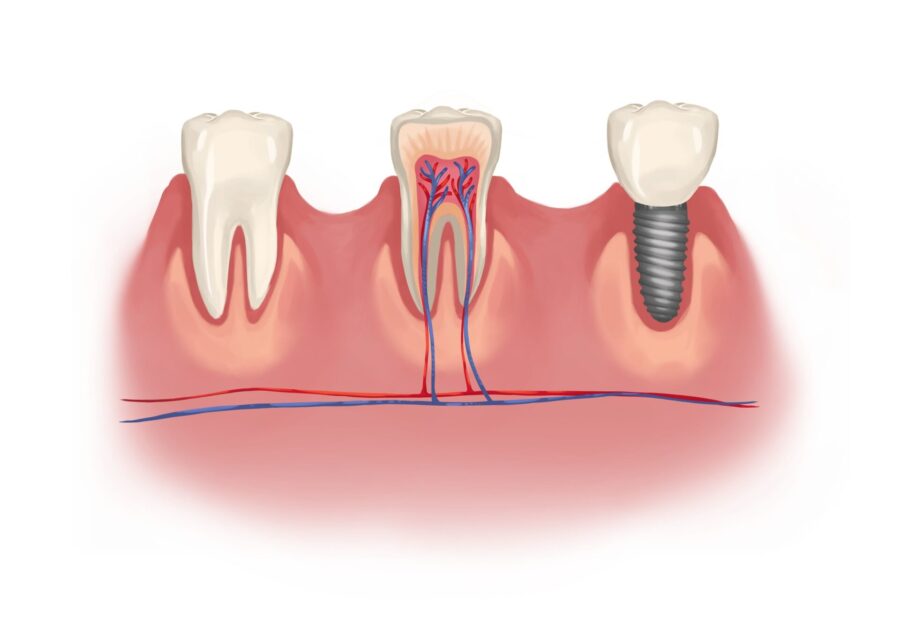
A traditional crown relies on a natural tooth that’s still in place. Maybe it’s been through a lot — a root canal, a large filling, or a crack that can’t be left untreated. We reshape what’s left of the tooth to make room for the crown, then place it like a protective cap to restore strength, function, and appearance.
An implant crown, on the other hand, is built on top of a dental implant — a titanium post placed directly in the jawbone. It doesn’t use the old tooth at all because the old tooth isn’t there anymore. Instead, the implant replaces the root, and the crown is attached to an abutment that connects everything together.
So while the crown part might look similar, the foundation underneath is what makes the biggest difference.
How Each One Supports Your Smile
With a traditional crown, you’re restoring a natural tooth that’s already been compromised. It’s a great way to preserve what’s still there — but it depends on the health of the remaining tooth and root.
An implant crown, in contrast, creates an entirely new foundation. The implant fuses with your jawbone, offering a level of strength and independence you can’t get from a weakened tooth. That’s why implant crowns are often recommended when the natural tooth can’t be saved.
Here at Queensboro Plaza Dental Care, we always look at the bigger picture — what’s best not just for today, but for the long run.
How They Feel (and Function) Day to Day
Once placed, both types of crowns are designed to look and feel like natural teeth. A traditional crown will blend into your smile and restore everyday function. But it may still feel slightly different if the tooth beneath has been through a lot — especially if you’ve had a root canal or if the tooth is structurally weak.
An implant crown, because it doesn’t rely on the original tooth at all, often feels more solid and secure. Patients often describe it as “feeling like it’s always been there.” Whether you’re biting into a sandwich, steak, or an apple, it should feel effortless.
Longevity and What to Expect Over Time
Both types of crowns can last many years with proper care — brushing, flossing, and regular checkups are key. But they face different risks.
A traditional crown is still vulnerable to decay at the margins and to issues with the tooth root underneath. If the tooth develops new problems, the crown may need to be replaced.
Implant crowns aren’t affected by cavities in the same way (since there’s no tooth beneath), but they still depend on healthy gums and surrounding bone. That’s why regular hygiene habits and routine dental visits remain essential, even with implants.
Choosing the Right Option for You
Deciding between a traditional and an implant-supported crown comes down to your specific dental needs. If the tooth is healthy enough to support a crown, preserving it is often the preferred choice. But if it’s beyond saving, an implant crown offers a stable, natural-looking replacement that functions beautifully.
Dr. Michael Nguyen and Dr. Daniel Barayev are here to guide you through that decision. We’ll assess your tooth structure, bone health, and long-term goals — and then talk you through your options without pressure.
Custom Dental Crowns in Long Island City, NY
Whether you’re repairing a damaged tooth or replacing one that’s already missing, you deserve a solution that fits your smile — and your life. At Queensboro Plaza Dental Care, we take time to listen, explain, and tailor every treatment plan to what’s best for you.
Ready to explore your options? Call us today to schedule a consultation. We’ll help you understand the difference — and find the path that leads to a healthier, more confident smile.
Contact UsImage from Authority Dental under CC 2.0


