
If you’ve been told you need a dental bone graft, you might have wondered where the new bone actually comes from. The idea of “adding bone” can sound mysterious, but once you understand the basics, it starts to make a lot more sense — and it doesn’t feel quite as intimidating.
At Queensboro Plaza Dental Care in Long Island City, NY, Dr. Michael Nguyen and Dr. Daniel Barayev help patients understand why bone grafting is recommended, how it works, and where the bone that’s used in the graft actually originates. The goal of a bone graft is simple: to give your jaw enough solid support so that dental implants or other restorative treatments can succeed.
Let’s walk through where that bone comes from, why it matters, and how it helps you get the care you need.
Why You Might Need a Bone Graft in the First Place
Before we talk about where the bone comes from, it’s helpful to understand why you might need one. Your jawbone requires stimulation from tooth roots to stay strong and healthy. When a tooth is lost — whether due to injury, decay, or extraction — that stimulation disappears. Over time, the bone in that area can shrink or soften. If too much bone is lost, there may not be enough support to place a dental implant securely.
A bone graft restores volume and strength to the jaw in the areas where it’s needed, providing a solid foundation for future dental work.
Common Sources of Bone for Grafting
You might be surprised to learn that bone for grafting doesn’t all come from the same place. There are several sources that dentists rely on, each with its own advantages:
1. Your Own Bone (Autograft)
This comes from another part of your own body — often from the jaw, chin, or hip. Because it’s your own tissue, it includes living cells that can help the area heal and integrate quickly. Using your own bone tends to have excellent results, though it does involve an additional surgical site.
2. Donor Bone (Allograft)
This type comes from a human donor (a tissue bank) that has been carefully screened and processed for safety. It doesn’t require a second surgical site from your own body, which can reduce discomfort. It provides a solid framework that your own cells can grow into over time.
3. Synthetic Materials (Alloplast)
There are engineered grafting materials made from minerals that act as a scaffold. These synthetic options are biocompatible and support bone growth while your body gradually replaces the scaffold with its own tissue.
4. Animal‑Derived Bone (Xenograft)
In some cases, bone material from animals (often bovine) is processed in a way that makes it safe and effective. Like donor bone, xenograft material provides structure that encourages your own bone to grow.
Each of these sources eventually becomes part of your jaw as your body remodels and replaces the graft material with new, living bone.
How the Grafted Bone Becomes Your Bone
Understanding the source is half the story — the other half is understanding what happens after it’s placed.
Once the graft material is positioned where the bone is needed, your body begins a natural healing process. Cells from your existing bone migrate into the graft, and new blood vessels start to grow in. Over weeks and months, this encourages real bone formation. The graft acts as a sort of scaffold or “starter framework” that tells your body where to build and how to fill in the gap.
This is why follow‑up care and patience matter; bone regeneration takes time, but the result is a stable foundation that can support dental implants or other restorative work long term.
How Dentists Decide Which Bone Graft Source to Use
There isn’t a one‑size‑fits‑all answer — the right choice depends on your specific situation, overall health, and treatment goals. Dr. Nguyen or Dr. Barayev will consider factors like:
How much bone is already present
Where in the jaw the graft is needed
Your medical history and any conditions that affect healing
Whether you prefer to avoid a second surgical site
The timeline for your planned restoration (e.g., implants)
Some patients prefer to use their own bone for its regenerative advantages; others prefer donor or synthetic sources to minimize additional surgery and recovery time. The decision is always made with your comfort and long‑term success in mind.
What to Expect During and After a Bone Graft
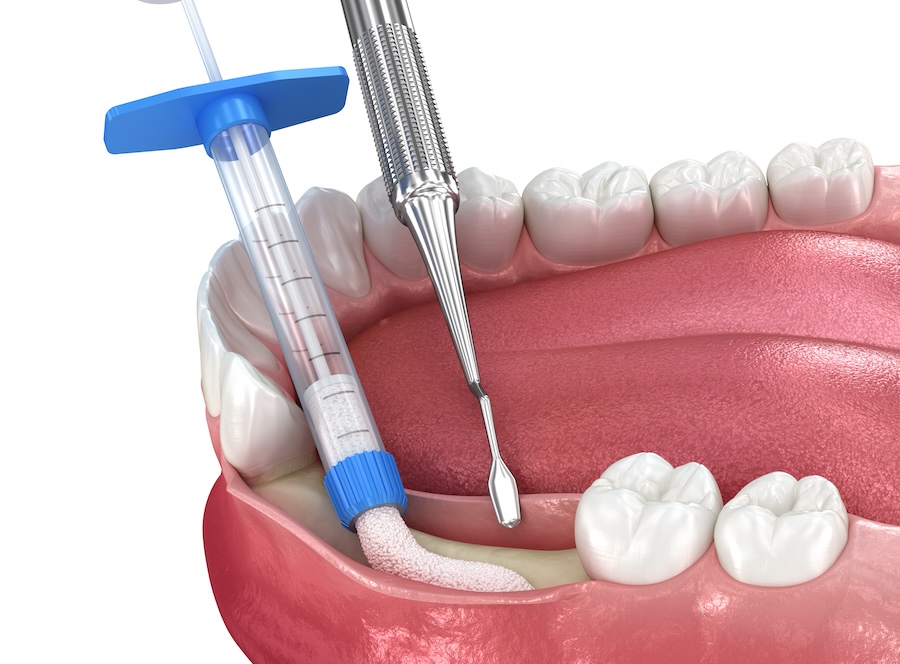
A bone graft is typically done by making a small incision in the gum, placing the graft material where it’s needed, and securing it so your body can begin the healing process. Depending on the type of graft and your particular dental needs, this can be done in the dental office with local anesthesia.
After the procedure, some mild swelling or discomfort is normal for a few days. Over the next several weeks or months, your body will gradually integrate the graft material with new bone. Your dentist will schedule follow‑ups to make sure healing is progressing as planned.
Once the graft has matured and there’s enough bone present, Dr. Nguyen or Dr. Barayev can move forward with placing implants or other restorative treatments.
Why Bone Grafting Matters for Long‑Term Dental Health
A solid, healthy jawbone isn’t just about supporting an implant. Bone loss can affect your bite, facial contours, and how forces are distributed when you chew. Supporting bone health helps preserve facial structure and ensures that restorations remain stable and functional for years to come.
Bone grafting is a proactive way to protect both the function and appearance of your smile.
Where Bone Comes From for a Dental Bone Graft — and Why It Works
Bone grafting may sound technical, but at its core it’s about giving your body what it needs to rebuild where support was lost. Whether the material comes from your own body, a donor, a natural animal source, or a synthetic option, the goal is the same: create a platform where healthy bone can grow.
If you’re considering dental implants, have experienced bone loss, or simply want to understand your options better, call Queensboro Plaza Dental Care in Long Island City, NY. Dr. Michael Nguyen and Dr. Daniel Barayev can explain what type of bone graft may be right for you and walk you through the process with clarity and confidence.
Schedule a consultation today and get answers that fit your smile and your goals.
Contact Us


