
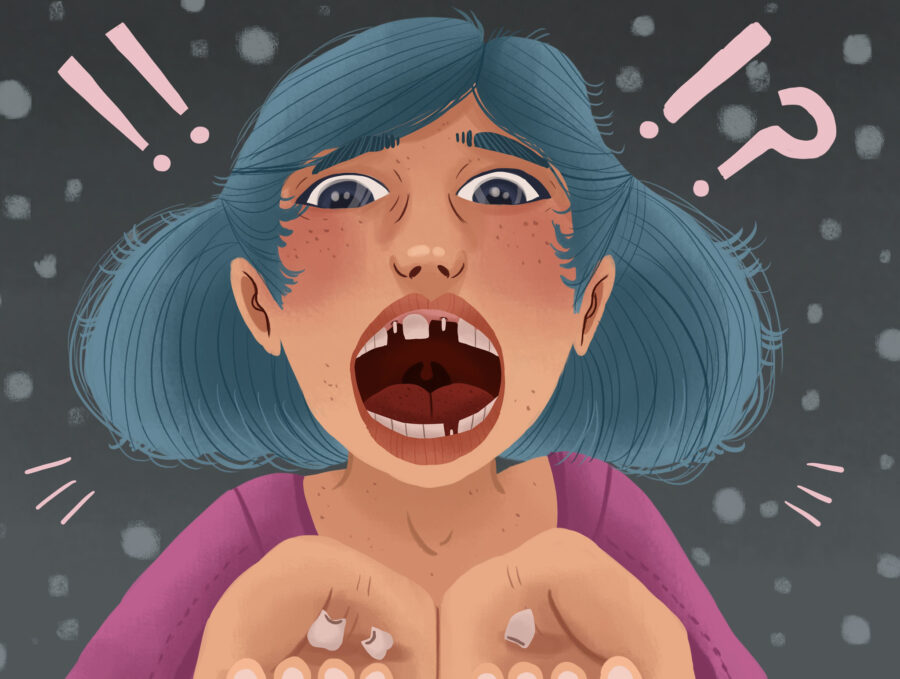
Feeling something come loose while eating can be unsettling, especially when it involves a dental implant. One moment everything feels normal, and then a crown or small metal piece is loose or in your hand. Because several parts work together to form an implant restoration, what patients call “the implant” may actually be the crown, a screw, or another component above the gumline.
The good news is that a loose crown does not automatically mean the implant in the jaw has failed. However, the area still needs to be checked before more pressure damages the remaining connection. Save whatever came out, avoid chewing on that side, and contact your dentist rather than trying to put it back yourself.
At Queensboro Plaza Dental Care in Long Island City, NY, Dr. Michael Nguyen and Dr. Daniel Barayev can examine the area, identify what moved, and determine whether the loose part can be reattached, repaired, or replaced.
What May Have Come Loose
A single-tooth implant restoration usually has three main parts. The implant fixture sits in the jawbone, the abutment connects to it, and the crown forms the visible replacement tooth. Although patients often refer to all three pieces as “the implant,” each one can loosen for a different reason.
If a hollow, tooth-shaped piece came out, it is probably the crown. If the piece includes a small metal connector or screw, the crown and part of the abutment assembly may have loosened together. Less commonly, the implant fixture itself may become mobile if it never fully bonded with the bone or if bone support was lost over time.
You do not need to identify the piece before calling the office. Place it in a clean container and bring it with you, since its shape, wear, and condition may help the dentist determine whether the problem came from lost cement, a loose screw, a fracture, or excess pressure on the restoration.
What to Do Right Away
Call the dental office and explain what happened. Let the team know whether the piece came out completely, whether something still feels loose, and whether you have pain, swelling, bleeding, tenderness, or a bad taste near the implant. Those details can help the office decide how quickly you should be seen.
Next, rinse the loose piece gently with water and place it in a clean container or sealed bag. Avoid scrubbing it, scraping the inside, or soaking it in peroxide, alcohol, bleach, or another household cleaner, because the surface or connection may be easier to damage than it appears.
Until the area is examined, chew on the other side and choose foods that do not require much force. Continue brushing the nearby teeth gently, but avoid poking the opening or trying to tighten anything with your fingers. If the gums feel irritated, a light rinse with water is usually enough.
A loose crown or screw is not always an after-hours emergency. However, rapidly increasing swelling, fever, severe pain, uncontrolled bleeding, or trouble breathing or swallowing calls for urgent care rather than waiting for a routine appointment.
Do Not Glue or Force the Crown Back In
A missing front crown can feel especially urgent, and the impulse to put it back is understandable. Even so, household glue should stay out of the mouth because it can irritate the tissues, contaminate the restoration, and make the eventual repair more difficult.
Trying to press the crown back into place can cause trouble as well. It may sit at the wrong angle, interfere with the bite, become difficult to remove, or loosen again while eating. If there is a screw or connector inside the crown, forcing it down may also damage the implant connection.
Temporary dental cement sold in pharmacies is intended for certain loose natural-tooth crowns, but implant restorations are built differently. Unless the dental office specifically tells you to use it, leave the piece out and bring it to the appointment. That gives the dentist a cleaner starting point and preserves the chance that the crown or another component can be reused.
When the Crown or Screw Is the Problem
An implant crown may be attached with dental cement or held in place by a screw. If the implant beneath it remains firm and the surrounding gums are healthy, the repair may be relatively straightforward, although the connection still needs to be inspected before anything is put back.
A crown that simply lost its cement may be cleaned and reattached. However, a fractured screw, damaged abutment, worn connection, or cracked crown may require a new component. The dentist will usually check the bite as well, particularly when the crown has loosened more than once.
Sometimes the crown remains in the mouth but begins to move slightly. A faint click, movement while chewing, or a change in the bite may point to a loose screw rather than a loose implant fixture. Even mild movement should be checked because continued chewing can damage the screw or the internal connection.
Why an Implant Crown May Keep Coming Loose
When an implant crown has loosened more than once, simply reattaching it may only restart the same cycle. The screw may be losing tension, the cement may not be holding, or the crown may be receiving more pressure than it should during chewing.
Grinding and clenching can place repeated force on implant restorations, especially during sleep. An uneven bite may also direct too much pressure onto one edge of the crown rather than spreading it more evenly. Over time, that strain may loosen a screw or damage the restoration.
During the exam, the dentist may check how the upper and lower teeth meet, inspect the crown shape, and look for wear on the screw or abutment. Depending on what is found, the repair may involve adjusting the bite, replacing a component, changing the crown design, or recommending a nightguard.
Peri-Implant Mucositis and Peri-Implantitis
Peri-implant mucositis is inflammation in the gum tissue around an implant without additional bone loss after the implant has healed. The gums may look red or swollen and may bleed during brushing or a dental examination. Because the inflammation is limited to the soft tissue, it can often improve when plaque and other contributing factors are brought under control.
Peri-implantitis is more advanced because the inflammation affects both the gums and the supporting bone around the implant. As bone is lost, the implant may eventually become mobile, although this usually develops over time rather than appearing suddenly.
Several factors can raise the risk of peri-implant disease. A history of gum disease, plaque buildup around the implant, smoking, poorly controlled diabetes, and irregular professional maintenance are all important concerns. A restoration that is difficult to clean, excess cement beneath the gumline, and certain implant positions can also make the area harder to maintain.
Peri-implant mucositis does not mean the implant is about to fall out, but it should not be ignored. Bleeding, swelling, tenderness, or a persistent bad taste around an implant deserves an examination because early inflammation is usually easier to manage than bone loss around the fixture.
What if the Implant Fixture Is Loose?
The implant fixture is the metal post placed in the jawbone. If that part is moving, the problem involves more than the crown or screw above it, and the surrounding bone and gum tissue need a careful evaluation.
An implant may lose stability early if it never fully integrated with the bone during healing. It can also become mobile later if inflammation and bone loss develop around it. Peri-implantitis is one possible cause, although movement can also be related to infection, grinding, heavy bite forces, smoking, or limited bone support.
The dentist may take X-rays, examine the gums, measure the supporting tissue, and check the bite before discussing treatment. Movement alone does not explain why the implant failed, so understanding the cause is an important part of deciding what should happen next.
Can the Same Crown Be Reused?
Sometimes the same crown can be used again. It needs to be intact, fit accurately, and connect securely to the remaining implant components, so the dentist will inspect both the visible surface and the area where it attaches.
A chipped crown, fractured screw, damaged abutment, or worn internal connection may require replacement. If the crown loosened because of excess bite pressure, the replacement may also need a slightly different shape so the same force does not keep returning to the same spot.
The age of the crown can affect the decision too. Gums and nearby teeth change over time, which means an older restoration may no longer fit as neatly as it once did. Bringing the loose crown to the appointment gives the dentist the best chance of determining whether it can be cleaned and reused.
Can Another Implant Be Placed Later?
A failed implant does not always mean the site can never receive another one. After the loose fixture is removed or comes out, the area may be cleaned and allowed to heal before the next decision is made.
If bone has been lost, grafting may be needed before another implant is considered. The timing depends on the condition of the gums, the amount of healthy bone that remains, and the reason the first implant lost support.
Before trying again, the dentist will want to address anything that may have contributed to the problem. That may include peri-implant inflammation, grinding, smoking, poor bite distribution, or insufficient bone. For some patients, another implant is still a reasonable option, while a bridge or another type of tooth replacement may fit others better.
Warning Signs Before Something Falls Out
Implant trouble does not always begin with a crown coming off during dinner. Earlier signs may include clicking, slight movement, tenderness, bleeding while brushing, swelling, a bad taste, or discomfort when chewing.
The gums around an implant should not remain swollen or bleed repeatedly. Those changes may point to peri-implant mucositis or another source of irritation, even when the implant itself still feels firm. If bone loss develops, the problem may progress to peri-implantitis.
A crown that suddenly feels high or different in the bite also deserves attention. It may need a small adjustment, or it may be an early sign that a screw is loosening. Mentioning the change early can protect the crown, screw, and implant connection from further damage.
How to Protect the Repair
Once the problem has been corrected, regular home care and dental visits help protect the implant. Brushing and cleaning around the restoration reduce plaque near the gumline, while routine exams allow the dental team to monitor the crown, bite, gums, and supporting bone.
Patients with a history of gum disease may need closer maintenance because that history can raise the risk of peri-implant disease. Smoking and poorly controlled diabetes can also affect the tissues around an implant, so those factors should be part of the ongoing care plan.
Patients who grind or clench may benefit from a nightguard, and it should be checked periodically because wear and small bite changes can affect how well it protects the restoration. It also helps to avoid chewing ice, opening packages with the teeth, or repeatedly biting very hard foods on the crown.
Most importantly, mention movement, bleeding, or swelling early. A loose screw or early gum inflammation is usually easier to address than a problem that has been developing quietly for months.
Dental Implant Repair at Queensboro Plaza Dental Care
When part of an implant restoration comes loose, the repair depends on which component moved and whether the implant remains stable. A crown may need to be reattached, a screw may need replacement, or the bone and gums around the implant may need further evaluation.
Save the loose piece, avoid chewing on that side, and do not try to glue or force it back into place. Then contact Queensboro Plaza Dental Care so the area can be examined before the remaining components are damaged.
Dr. Michael Nguyen and Dr. Daniel Barayev provide dental implant evaluation and repair at Queensboro Plaza Dental Care in Long Island City, NY. Call the office to schedule an appointment if an implant crown, screw, abutment, or implant fixture feels loose or has come out.
Contact UsImage from Authority Dental under CC 2.0




