
After wisdom tooth removal, food suddenly takes more thought than usual. You may be hungry, tired, numb, and not totally sure what your mouth can handle yet. The main idea is simple: choose foods that are soft, easy to swallow, and unlikely to bother the extraction sites. Still, when your jaw is sore and your normal routine is off, even lunch can feel like it needs a few rules.
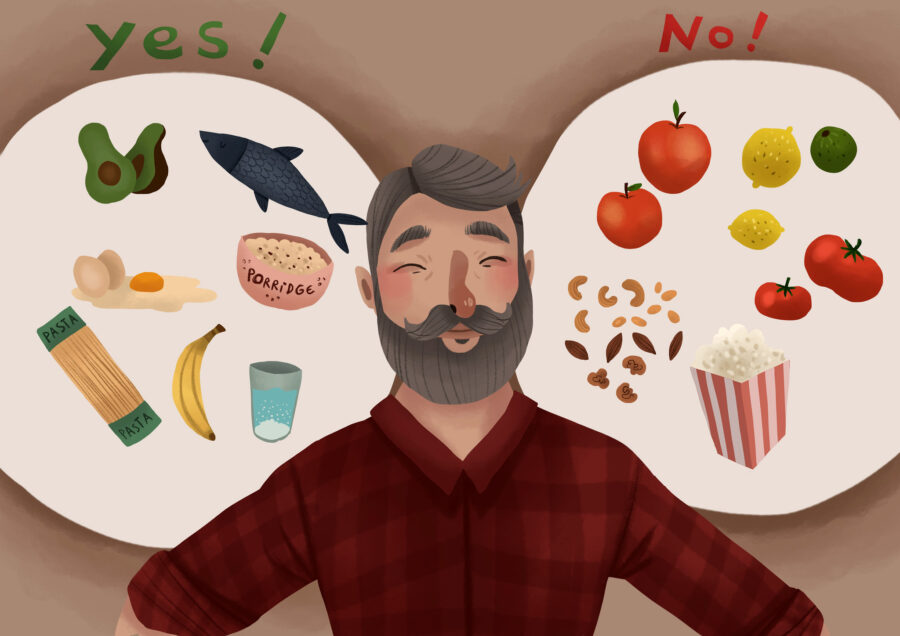
During the first few days, soft foods are usually the safest choice. Smoothies eaten with a spoon, yogurt, applesauce, mashed potatoes, scrambled eggs, oatmeal, soup that has cooled down, and soft pasta can help you get calories without asking your jaw to do too much. However, crunchy, spicy, sticky, hard, or seedy foods should wait because they can irritate the area or get trapped where the teeth were removed.
At Queensboro Plaza Dental Care in Long Island City, NY, Dr. Michael Nguyen, Dr. Daniel Barayev, and the team help patients understand what to expect after wisdom tooth removal. Your exact instructions may depend on how many teeth were removed, whether the teeth were impacted, and how your healing is going. Even so, having a simple food plan can make the first few days feel a lot less confusing.
Why Your Food Choices Are Important After Wisdom Tooth Removal
After a wisdom tooth is removed, a blood clot forms in the socket. That clot is part of normal healing, and it helps protect the bone and tissue underneath while the area begins to close. Because of that, the first few days are not the best time for crunchy chips, heavy chewing, or anything that could disturb the socket.
Texture makes a big difference. Soft foods are easier to manage and less likely to scrape the healing tissue. On the other hand, small crumbs, seeds, and sharp edges can settle into the extraction sites. That can feel uncomfortable, and it can also make the area harder to keep clean.
Hot foods and drinks can cause trouble early on too. Very hot soup, coffee, or tea may increase irritation or bleeding during the first day. So, at first, cool or room-temperature foods are often easier. As your mouth starts feeling better, you can usually add warm foods back carefully.
Also, your jaw may be sore from the procedure itself. Even if the extraction sites are doing fine, opening wide or chewing a lot may not feel great right away. For that reason, it helps to choose foods that do not make your jaw work overtime.
What to Eat During the First Day
On the first day after wisdom tooth removal, stick with foods that are cool, smooth, and easy to swallow. Yogurt, applesauce, pudding, gelatin, smoothies eaten with a spoon, and creamy soups that have cooled down are usually good options. These foods do not need much chewing, which gives your mouth a calmer start.
Smoothies can be helpful, but skip the straw. The suction from a straw can pull on the blood clot and raise the risk of dry socket. Instead, use a spoon or sip gently from a cup if your dentist says that is okay. Also, avoid smoothies with berry seeds, chia seeds, or anything gritty because those tiny pieces can get stuck in the extraction sites.
If you want something more filling, mashed potatoes, blended soups, or soft scrambled eggs may work later in the day once the numbness wears off. However, make sure warm foods are not hot. Your mouth may still be sensitive, and numbness can make it harder to judge temperature.
Water is a good idea throughout the day. Staying hydrated can help you feel better while you recover, especially if you are taking medication. Just sip normally and avoid forceful swishing during the early healing period.
Soft Foods That Usually Work Well
Once the first day is behind you, you can slowly add more soft foods as your mouth allows. Mashed potatoes, scrambled eggs, oatmeal, cream of wheat, soft pasta, cottage cheese, yogurt, applesauce, avocado, and well-cooked vegetables are common choices. They are not fancy, but they get the job done.
Protein can help support healing, so try to include some soft protein foods when you can. Eggs, Greek yogurt, cottage cheese, flaky fish, soft tofu, and blended bean soups can be useful. If chewing meat feels like too much, leave it for later.
Soft carbohydrates can help too because they are easy to eat and filling. Macaroni and cheese, soft noodles, mashed sweet potatoes, and pancakes can work if they are not too hot and do not require heavy chewing. However, take small bites. Trying to eat like nothing happened usually does not go well on day two.
As you add foods back, pay attention to how your mouth responds. If something pulls, scrapes, sticks, or makes your jaw ache, pause and try again another day. Your menu can get more normal as soreness fades, but the first few days are better with foods that keep things simple.
Foods to Avoid After Wisdom Tooth Removal
Some foods are better saved for later because they can irritate the extraction sites or get trapped in the sockets. Crunchy foods such as chips, pretzels, crackers, popcorn, nuts, and raw vegetables can break into sharp pieces. Those edges can scrape the healing tissue and make the area sore.
Small particles can also be a problem. Rice, seeds, granola, sesame seeds, quinoa, and berry seeds may slip into the extraction sites. Some people can handle these foods sooner than others, but it is usually safer to wait until healing is further along.
Sticky and chewy foods are not ideal either. Caramel, gum, tough bread, steak, jerky, and chewy candy can pull at the mouth and require more jaw work than you probably want during early healing. Even pizza crust can be a lot in the first few days, as unfair as that may feel.
Spicy and acidic foods can sting. Hot sauce, salsa, citrus, vinegar-heavy foods, and tomato-heavy dishes may irritate the extraction areas. Once the tissue feels less tender, these foods can usually return little by little.
Why Straws Are Usually Off-Limits
After wisdom tooth removal, many patients are told not to use a straw for several days. That can sound oddly specific, but there is a reason for it. The suction from a straw can pull on the blood clot in the socket, and that clot needs to stay in place while healing gets started.
If the clot comes loose, dry socket can develop. Dry socket can cause strong pain because the bone and nerves in the socket are no longer covered the way they should be. It usually needs dental care to keep the area clean and more comfortable while it heals.
Because of that, drinks should be sipped gently from a cup. Smoothies, protein shakes, and milkshakes may still be options, but use a spoon or drink carefully without suction. It is not the most graceful way to enjoy a smoothie, but it is temporary.
Also, avoid strong swishing during the first day unless your dentist gives different instructions. Gentle rinsing may be recommended later, often with warm salt water, but the early clot needs time to settle.
How to Eat Without Bothering the Extraction Sites
When you start eating after wisdom tooth removal, small bites are the way to go. Try to chew away from the extraction areas if possible, and take your time. Your mouth may be numb at first, so chewing too soon can lead to biting your cheek or tongue before you realize it.
It also helps to sit upright while eating and drinking. This can make swallowing easier and may reduce the chance of food pooling near the extraction sites. After eating, follow your dentist’s cleaning instructions so food does not sit around the area.
Do not poke the sockets with your tongue, finger, toothpick, or anything else that seems useful in the moment. That can irritate the tissue and slow healing. If food feels stuck, call the office or follow the rinsing instructions you were given rather than digging at the area.
As the days pass, chewing usually becomes easier. However, there is no reason to race back to crunchy foods. If your mouth feels sore when you try something, step back to softer foods for another day or two.
What to Drink After Wisdom Tooth Removal
Water is the easiest choice after wisdom tooth removal. It keeps you hydrated, does not irritate the extraction sites, and works well while your appetite is still coming back. Sip gently throughout the day, especially if you are taking prescribed medication.
Cool drinks can feel soothing during the first day. Milk, non-acidic smoothies, protein shakes, and electrolyte drinks may be options as long as you avoid straws. However, if a drink is sugary, try not to sip it for hours because sugar can still feed bacteria in the mouth.
Avoid alcohol while you are healing, especially if you are taking pain medication or antibiotics. Alcohol can interfere with healing and may increase bleeding or irritation. It is also best to avoid very hot drinks early on, including hot coffee or tea.
Carbonated drinks can bother some patients because the bubbles may feel uncomfortable around the healing sites. If soda or sparkling water irritates your mouth, skip it for now. Plain water may not be exciting, but after oral surgery, it tends to behave itself.
When to Start Eating More Normal Foods
Most patients start with very soft foods and then slowly move toward more normal foods over several days. The pace depends on swelling, soreness, bleeding, and how difficult the extractions were. Some people feel ready for soft pasta or eggs the next day, while others need a slower start.
As a general rule, add texture gradually. Move from smooth foods to soft foods, then to foods that need light chewing. If something feels uncomfortable, causes bleeding, or gets stuck easily, give it more time.
Crunchy and hard foods should wait until the extraction sites are more healed. This may take about a week or longer, depending on your case. If your wisdom teeth were impacted or the surgery was more involved, your dentist may recommend a longer soft-food period.
During follow-up or post-op communication, Dr. Nguyen or Dr. Barayev can let you know whether your healing looks on track. Since every mouth heals a little differently, personalized instructions are better than guessing from whatever happens to be in the fridge.
Sample Meal Ideas for the First Few Days
For breakfast, try Greek yogurt, applesauce, oatmeal that has cooled, scrambled eggs, or a smoothie bowl without seeds. These options are soft and easy to adjust based on how your mouth feels. If you need more calories, you can add smooth nut butter to oatmeal or a seed-free smoothie bowl, as long as it is easy to swallow.
For lunch, consider mashed potatoes, blended soup, soft pasta, avocado, cottage cheese, or macaroni and cheese. If you choose soup, make sure it is not hot. Warm may be fine later, but steaming soup is not a good idea right after oral surgery.
For dinner, soft fish, mashed sweet potatoes, well-cooked vegetables, tofu, soft noodles, or blended bean soup may work well. Keep seasonings mild at first, especially if spicy foods usually make your mouth tingle even on a normal day.
For snacks, pudding, yogurt, soft bananas, gelatin, protein shakes without a straw, or smooth hummus with a spoon can help. The first few days may not be your most exciting food week, but you can still eat enough without making your mouth work too hard.
Signs You Should Call the Dentist
Some soreness, swelling, and mild bleeding can be normal after wisdom tooth removal. However, you should call Queensboro Plaza Dental Care if bleeding does not slow down, pain gets worse after improving, swelling increases after a few days, or you notice pus, fever, or a bad taste that does not go away.
Dry socket is another reason to call. It often causes strong pain a few days after extraction, sometimes with pain that travels toward the ear. If your mouth felt like it was improving and then suddenly feels much worse, do not try to wait it out.
You should also call if you cannot eat or drink enough, if nausea from medication is making recovery difficult, or if food seems stuck and rinsing does not help. The team can guide you on what to do next.
It is better to ask than to sit at home worrying over every sensation. Healing after wisdom tooth removal can come with some strange little moments, but certain symptoms should be checked.
Eating After Wisdom Tooth Removal in Long Island City, NY
After wisdom tooth removal, the best foods are soft, smooth, mild, and easy to chew. Yogurt, applesauce, mashed potatoes, scrambled eggs, oatmeal, soft pasta, blended soup, and smoothies eaten without a straw can help you stay nourished while your mouth heals. Meanwhile, crunchy, spicy, sticky, seedy, and hard foods should wait until the extraction sites are more stable.
At Queensboro Plaza Dental Care in Long Island City, NY, Dr. Michael Nguyen, Dr. Daniel Barayev, and the team can give you instructions based on your procedure and healing needs. If you are unsure whether a food is safe, or if something does not feel right during recovery, the office can help you sort it out.
If you are planning wisdom tooth removal or have questions after your procedure, schedule a visit with Queensboro Plaza Dental Care. A clear recovery plan can make those first few days easier to handle.
FAQs
What are the best foods to eat after wisdom tooth removal? Soft foods are usually best after wisdom tooth removal. Good options include yogurt, applesauce, mashed potatoes, scrambled eggs, oatmeal, soft pasta, cottage cheese, smoothies eaten with a spoon, and blended soups that are not hot.
When can I eat solid food after wisdom tooth removal? Many patients start adding soft solid foods within a few days, depending on comfort and healing. Crunchy, hard, sticky, or chewy foods should wait until the extraction sites are more healed and your dentist says it is safe.
Can I drink a smoothie after wisdom tooth removal? Yes, smoothies can be helpful, but do not use a straw. Eat the smoothie with a spoon or sip gently from a cup. Also, avoid smoothies with seeds, nuts, or small gritty pieces that could get trapped in the extraction sites.
Why can’t I use a straw after wisdom tooth removal? A straw creates suction, which can disturb the blood clot in the extraction socket. If that clot comes loose, dry socket can develop and cause significant pain during healing.
Can I eat soup after wisdom tooth removal? Yes, soup can be a good choice if it is blended or soft and not too hot. Very hot soup may irritate the area or increase bleeding early on, so let it cool before eating.
What foods should I avoid after wisdom tooth removal? Avoid crunchy, hard, sticky, spicy, acidic, and seedy foods. Chips, popcorn, nuts, crackers, chewy candy, rice, seeds, hot sauce, and crusty bread can irritate the area or get stuck while you heal.
Contact UsImage from Authority Dental under CC 2.0




