
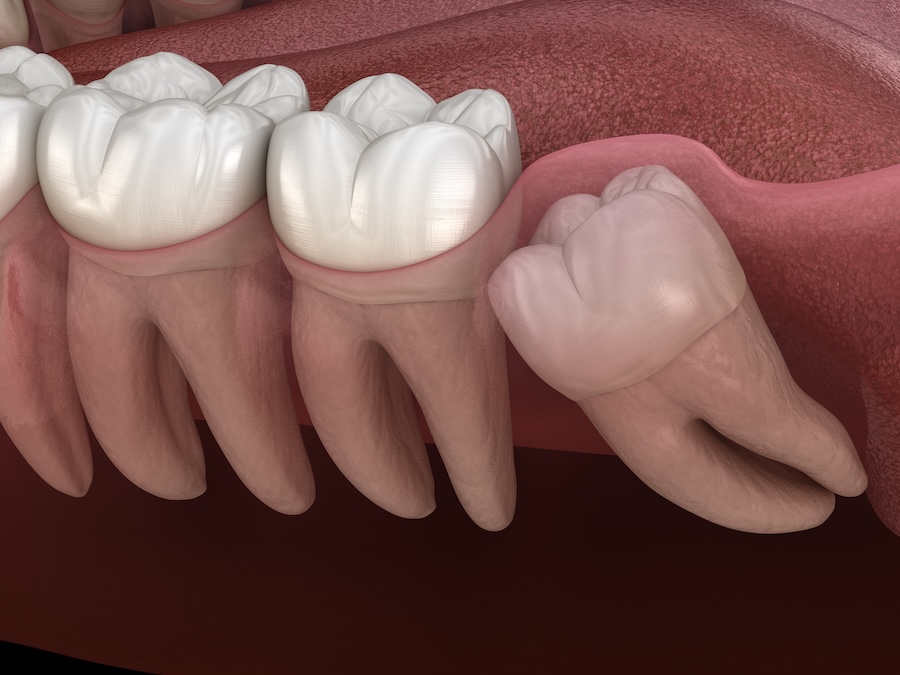
Wisdom teeth have a way of causing confusion because they do not all behave the same. One person may have wisdom teeth that come in straight and never cause trouble. Another may have one sitting sideways under the gums, pressing into the tooth next to it, or surrounded by inflamed tissue. So when someone says they need a wisdom tooth removed, the next question is usually: how involved is this going to be?
That depends on several things. A wisdom tooth extraction may be simple if the tooth has fully erupted, is easy to reach, and has roots that can be removed predictably. However, it can become more complex when the tooth is impacted, partially covered by gum tissue, positioned at an angle, close to important nerves, or shaped in a way that makes removal less direct.
At Queensboro Plaza Dental Care in Long Island City, NY, Dr. Michael Nguyen and Dr. Daniel Barayev evaluate wisdom teeth carefully before recommending treatment. The goal is to understand the tooth’s position, the surrounding bone and gum tissue, and any risks that may affect the procedure. Once those details are clear, it becomes much easier to explain what to expect.
A Tooth That Is Impacted Can Be More Difficult to Remove
A wisdom tooth is considered impacted when it cannot fully come through the gums in a normal position. Sometimes the tooth is trapped under the gum tissue. Other times, it is partly covered by bone or angled against the neighboring molar. Because impacted teeth are not fully visible, removing them usually requires more planning than taking out a tooth that has already erupted.
The position of the impaction matters. A wisdom tooth may be angled forward toward the second molar, tilted backward, lying sideways, or sitting upright but stuck under the gums. Each position changes how the dentist approaches the extraction and how much access is needed.
Impacted wisdom teeth can also create problems even before they are removed. They may trap food and bacteria, irritate the gums, contribute to swelling, or place pressure on nearby teeth. In some cases, they can be difficult to clean well, which increases the risk of cavities or gum infection in that area.
Because of these factors, impacted wisdom teeth are often considered more complex than teeth that are fully erupted. X-rays help show the exact position and guide the treatment plan before the procedure begins.
Partial Eruption Can Lead to Gum Inflammation
A partially erupted wisdom tooth is one that has broken through the gumline but has not fully come in. This can create a small flap of gum tissue over part of the tooth, and that space can trap bacteria and food particles. When that happens, the gum tissue may become swollen, tender, or infected.
This condition is often uncomfortable because the area is hard to clean at home. Even careful brushing may not fully reach under the gum flap. As a result, irritation can come and go, especially if food gets packed into the area or the opposing tooth bites down on the tissue.
Partial eruption can make extraction more involved because the tooth may be partly visible but still partly trapped. The dentist may need to remove gum tissue, section the tooth, or carefully work around inflamed tissue to remove it safely.
For patients, symptoms may include soreness in the back of the mouth, swelling, bad taste, difficulty opening fully, or pain when chewing. If these symptoms keep returning, the wisdom tooth may need to be removed rather than treated with short-term cleaning or antibiotics alone.
The Angle of the Wisdom Tooth Matters
Wisdom teeth do not always grow straight up and down. Some come in at an angle, and that angle can make removal more complex. A tooth that leans into the second molar, for example, may be harder to access and may require extra care to avoid damaging the nearby tooth.
When a wisdom tooth is angled sideways or nearly horizontal, it may be buried under bone or pressing against the tooth in front of it. In these cases, the extraction may involve removing some bone around the tooth or dividing the tooth into smaller pieces so it can be removed more safely.
The angle also affects symptoms. A tilted wisdom tooth can create pressure, cause food to get trapped, or contribute to decay on the back side of the second molar. Sometimes patients do not feel much pain until the area becomes inflamed or infected.
This is why X-rays are important. The tooth’s visible surface does not always tell the full story. Imaging helps the dentist see the direction, depth, root shape, and relationship to nearby structures before deciding how to proceed.
Roots Can Make a Wisdom Tooth Extraction More Complex
The roots of a wisdom tooth can affect how simple or difficult the extraction will be. Some wisdom teeth have short, straight roots that are easier to remove. Others have long, curved, hooked, or widely spread roots, which can make the process more involved.
Root shape matters because the tooth does not come out as one simple block in every case. If roots curve around bone or sit close to nearby structures, the dentist may need to use a more careful technique to remove the tooth without unnecessary pressure.
Root development also matters. Younger patients may have wisdom teeth with roots that are not fully formed, which can sometimes make removal easier. In older patients, roots may be longer and the surrounding bone may be denser, which can make extraction more complex.
This does not mean wisdom tooth removal is always harder for adults, but it does mean timing can play a role. If a wisdom tooth is already causing problems or is likely to cause them, evaluating it earlier can help patients understand their options before the roots and bone make treatment more involved.
Nerve Position Is an Important Part of Planning
Lower wisdom teeth can sit close to a nerve that runs through the jaw. This nerve helps provide feeling to the lower lip, chin, and nearby areas. When a wisdom tooth’s roots are close to that nerve, the extraction may be considered more complex because the dentist needs to plan carefully around it.
X-rays help show whether the tooth is near the nerve canal. In some cases, additional imaging may be recommended to get a clearer view of the relationship between the roots and the nerve. This information helps the dentist decide whether the tooth can be removed in the office or whether a specialist referral is appropriate.
Being close to a nerve does not automatically mean the tooth cannot be removed. It means the risks need to be understood and discussed before treatment. The dentist may talk with you about temporary numbness, altered sensation, or other rare but important considerations.
Careful planning is what makes this conversation useful. Rather than treating every wisdom tooth the same way, the team at Queensboro Plaza Dental Care evaluates the anatomy first so the recommendation fits the specific tooth.
Bone Density and Tooth Depth Can Affect the Procedure
A wisdom tooth that sits deep in the jaw or is surrounded by dense bone usually requires more careful work than a tooth that is already erupted. If the tooth is buried under bone, the dentist may need to create access before the tooth can be removed.
Depth also affects recovery. A tooth that is fully erupted may leave a more straightforward socket after removal, while a deeply impacted tooth may involve more swelling, soreness, or healing time. This is one reason patients may have very different experiences with wisdom tooth extractions.
Bone density can also make removal more involved. Younger patients often have bone that is more flexible, while adult bone can be denser. Again, this does not mean every adult extraction is difficult, but it can influence the procedure.
During your exam, your dentist will look at how deep the tooth sits, whether bone covers part of it, and how much access is needed. These details help set realistic expectations for the appointment and recovery.
Infection or Swelling Can Make Timing More Important
If a wisdom tooth is already infected or the surrounding gum tissue is swollen, the extraction may need extra planning. Infection can make the area more tender, and swelling can limit how comfortably you open your mouth. In some cases, the dentist may need to manage the infection before removing the tooth.
That does not always mean delaying treatment for a long time. It simply means the dentist will decide the safest approach based on your symptoms, exam, and X-rays. Sometimes antibiotics or a cleaning around the area may be recommended first, while other times removal is the best way to address the source of the problem.
Recurring infection is a common reason wisdom teeth are removed. If the same area becomes swollen or painful again and again, short-term treatment may only provide temporary relief. Removing the tooth can help prevent the cycle from continuing.
If you notice swelling, a bad taste, pain in the back of the mouth, or difficulty opening, it is better to have it checked sooner rather than waiting for it to become harder to manage.
Nearby Teeth Can Influence the Complexity
A wisdom tooth does not exist in isolation. Its position can affect the tooth next to it, usually the second molar. If the wisdom tooth is leaning into that molar, trapping food, or contributing to decay, the dentist has to plan removal carefully to protect the neighboring tooth.
In some cases, the second molar may already have a cavity, gum pocket, or bone loss because of the wisdom tooth’s position. That can make the overall treatment plan more involved, since both teeth may need attention.
The dentist will also consider whether removing the wisdom tooth could affect a nearby filling, crown, or restoration. If there is dental work close to the extraction site, extra care may be needed during the procedure.
This is another reason imaging and a full exam matter. The goal is not only to remove the wisdom tooth, but to protect the surrounding teeth and tissues as much as possible.
Medical History and Comfort Needs Also Matter
The complexity of a wisdom tooth extraction is not only about the tooth. Your medical history, medications, anxiety level, and comfort needs can also affect the treatment plan. For example, patients who take certain medications or have specific health conditions may need additional precautions before surgery.
Dental anxiety can also play a role. Some patients feel comfortable with local anesthesia alone, while others may need a more detailed discussion about comfort options. Knowing this ahead of time helps the dental team plan the appointment in a way that feels more manageable.
Your dentist may also ask about past extractions, healing issues, smoking or vaping, and medical conditions that can affect recovery. These details are not small talk. They help reduce risk and make aftercare more predictable.
At Queensboro Plaza Dental Care, Dr. Michael Nguyen and Dr. Daniel Barayev take these factors into account before recommending the next step. A complex wisdom tooth extraction should be planned around both the tooth and the patient.
What to Expect During a Complex Wisdom Tooth Extraction
If your wisdom tooth extraction is considered complex, your dentist will explain why before the procedure begins. The appointment may involve removing gum tissue, creating access through bone, sectioning the tooth into smaller pieces, or working carefully around roots and nearby structures.
The area will be numbed so you should not feel pain during the procedure. You may feel pressure, which is normal, but sharp pain should not be part of the experience. If you are anxious or concerned about comfort, bring that up before treatment so the team can talk through your options.
After the tooth is removed, the area may be cleaned and stitches may be placed if needed. You will receive instructions for bleeding control, eating, cleaning, pain management, and what symptoms to watch for during recovery.
Knowing what makes the extraction complex can actually make the process feel less uncertain. Instead of wondering why one wisdom tooth takes more planning than another, you can understand the reasons behind the approach.
Recovery After a More Involved Extraction
Recovery depends on how involved the extraction was. A fully erupted wisdom tooth may heal with mild soreness, while a deeply impacted tooth may lead to more swelling, tenderness, or jaw stiffness for a few days.
The first 24 to 48 hours are important. During that time, you will usually be asked to rest, avoid straws, avoid smoking or vaping, stick with soft foods, and avoid vigorous rinsing or spitting. These steps help protect the blood clot that forms in the socket.
As healing continues, soreness should gradually improve. Swelling may peak before it gets better, which can be normal depending on the extraction. However, worsening pain after a few days, bad taste, fever, heavy bleeding, or swelling that does not improve should be checked.
Following aftercare instructions closely can help reduce the chance of complications. If something feels off, calling the office is better than guessing.
Wisdom Tooth Extraction in Long Island City, NY
If you have been told your wisdom tooth extraction may be complex, it does not automatically mean something is wrong. It usually means the tooth’s position, depth, roots, surrounding bone, or nearby anatomy requires more planning.
At Queensboro Plaza Dental Care in Long Island City, NY, Dr. Michael Nguyen and Dr. Daniel Barayev evaluate wisdom teeth with careful exams and imaging so patients understand what is happening before treatment. Whether your wisdom tooth is impacted, partially erupted, painful, or pressing against another tooth, the team can explain your options and what to expect.
If you are having pain in the back of your mouth, swelling, bad taste, or concerns about wisdom teeth, schedule a visit before the problem becomes more uncomfortable. A clear exam can help you know whether removal is needed and whether the extraction is likely to be simple or more involved.
FAQs
What makes a wisdom tooth extraction complex? A wisdom tooth extraction may be considered complex if the tooth is impacted, angled, partially erupted, buried in bone, close to a nerve, infected, or has curved roots. These factors can change how the tooth is removed and how much planning is needed.
Is an impacted wisdom tooth always harder to remove? Impacted wisdom teeth are often more involved than fully erupted teeth because they may be covered by gum tissue or bone. However, the level of difficulty depends on the tooth’s position, root shape, and surrounding anatomy.
Does a complex wisdom tooth extraction hurt? The area is numbed before the procedure, so you should not feel sharp pain during the extraction. You may feel pressure. Soreness afterward is normal and usually managed with the aftercare instructions provided by your dental team.
How do dentists know if a wisdom tooth is close to a nerve? X-rays are used to evaluate the position of the wisdom tooth roots and nearby nerve canal. If more detail is needed, additional imaging may be recommended before treatment.
How long does recovery take after a complex wisdom tooth extraction? Most patients notice the biggest improvement within several days, though deeper or more involved extractions may take longer to feel fully normal. The gum and bone continue healing beneath the surface for weeks.
When should I call the dentist after wisdom tooth removal? Call if you have heavy bleeding, worsening pain after a few days, fever, pus, swelling that gets worse instead of better, or a bad taste that does not improve. You should also call if you are unsure whether your symptoms are normal.
Contact Us



