
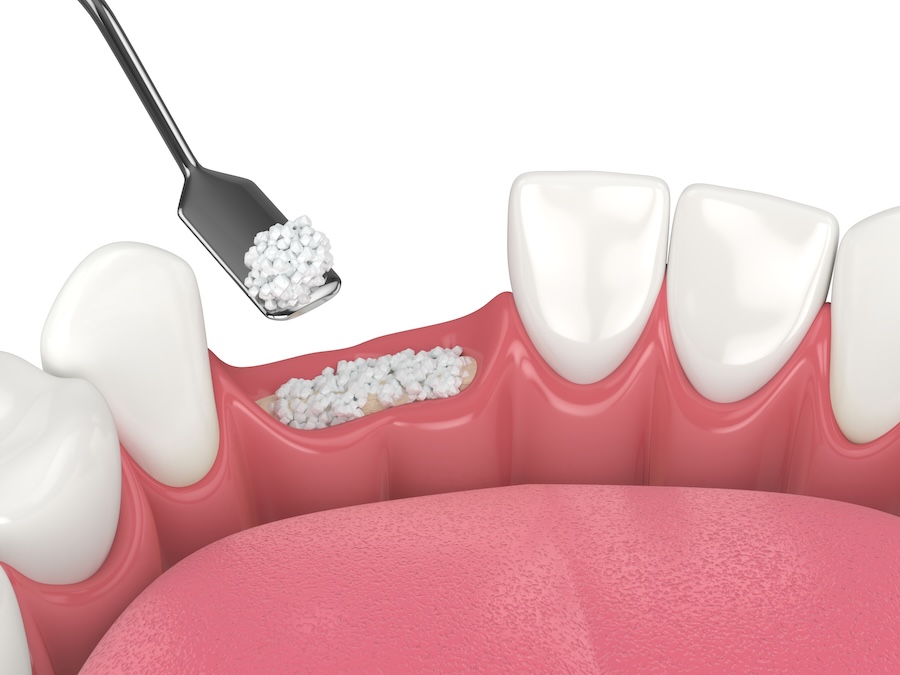
Undergoing a dental bone graft can sound intimidating, but the healing process is actually a series of familiar, understandable stages. At Queensboro Plaza Dental Care in Long Island City, NY, Dr. Michael Nguyen and Dr. Daniel Barayev help patients through every step — not just in the chair, but afterward too, with clear expectations and supportive follow‑up.
A bone graft isn’t just “putting bone in a place.” It’s part of your body’s natural repair system, and healing unfolds over time. Knowing what typically happens — day by day and month by month — helps you stay comfortable and confident as you recover.
Mild to moderate swelling around the site
Some tenderness or discomfort
Slight bruising in the soft tissue
Follow your dentist’s instructions for ice packs and pain management
Avoid rinsing vigorously or using a straw, which can disturb blood clots
Eat soft foods and stay well‑hydrated
Keep the graft area clean but gentle — brushing nearby teeth carefully, without pressure
Swelling continuing to decrease
Tenderness gradually subsiding
Gum tissue looking smoother and more stable
Keep up your oral hygiene (carefully)
Maintain a balanced diet with adequate protein, calcium, and other nutrients
Avoid activities that could stress the area, like chewing very hard foods
Stage 1: Immediate Recovery (First 48‑72 Hours)
Right after the graft procedure, your body springs into action. This initial period is all about the first steps of healing and letting your tissues start settling in around the graft.
It’s common to experience:
These responses are your body’s normal reaction to any surgical site — similar to what you might feel after a minor injury. For most people, the discomfort peaks within the first 24–48 hours and then begins to ease.
During this period:
This stage is about managing symptoms while your tissues begin to knit together.
Stage 2: Soft Tissue Healing (First 1–2 Weeks)
After the first few days, the soft tissues — gums and mucosa around the graft — take center stage. The body is repairing the surgical site and building a protective layer over the area.
During this time you’ll likely notice:
You may be given a chlorhexidine or saline rinse to support gentle cleaning, and your dentist will emphasize avoiding disruption in the area. Stitches, if used, typically dissolve on their own or are removed by the dental team, depending on the technique and materials.
Most patients feel much more comfortable by the end of this phase — eating more normally and experiencing less sensitivity around the site.
Stage 3: Bone Formation Begins (Weeks 3–8)
Once the soft tissue has mostly healed, your body starts laying down new bone at the graft site. This isn’t something you’ll feel directly; the process happens beneath the gums. Your own bone cells migrate into the graft material, and a network of new blood vessels begins forming. This is what turns graft material into living bone.
During this period, it’s important to:
This stage is the foundation of long‑term success: the graft is becoming part of you, structurally and biologically.
Stage 4: Bone Maturation (2–4 Months and Beyond)
Once new bone begins forming, the process shifts from creating a framework to strengthening and maturing the grafted area. This deep remodeling can last several months.
Your dentist may take follow‑up X‑rays or scans to check progress. What they’re looking for is increased density and stability — key indicators that the graft is ready to support restorative work, like dental implants.
You might feel completely normal in your daily routine by this point, but deep healing continues under the surface. Bone remodeling is gradual, and your body continues refining the structure long after any initial symptoms have faded.
Long‑Term Integration and Implant Readiness
For many patients, the ultimate goal of a bone graft is to prepare the site for a dental implant. Once the grafted bone has matured and is dense enough, Dr. Nguyen or Dr. Barayev can proceed with implant placement.
The exact timeline varies from person to person, depending on:
How much bone was needed
The location of the graft
Individual healing rates
Overall health and lifestyle factors
Most grafts are ready for implant placement within 3–6 months, though some cases may take a bit longer. Your dental team will monitor progress and let you know when the site is stable and prepared.
Tips That Support Healing
While healing is a biological process your body manages on its own, there are everyday choices that help it go more smoothly:
Eat soft, nutritious foods during the first few weeks
Rinse gently as prescribed — but avoid vigorous swishing
Avoid smoking or vaping, which slow healing
Stay hydrated
Attend follow‑up appointments for monitoring
These habits don’t just help the graft — they support your overall oral health too.
Dental Bone Graft Healing Stages — What You Can Expect
A dental bone graft is a step toward stronger, more stable support for your smile. From the first couple days of soft tissue recovery to the months your body takes to rebuild bone, healing is a gradual process with distinct stages.
If you have questions about bone grafts or want personalized guidance about recovery timelines, call Queensboro Plaza Dental Care in Long Island City, NY. Dr. Michael Nguyen and Dr. Daniel Barayev can walk you through what to expect and help you plan your next step with confidence.
Schedule a consultation today — we’ll make sure you understand what’s ahead and feel supported every step of the way.
Contact Us



